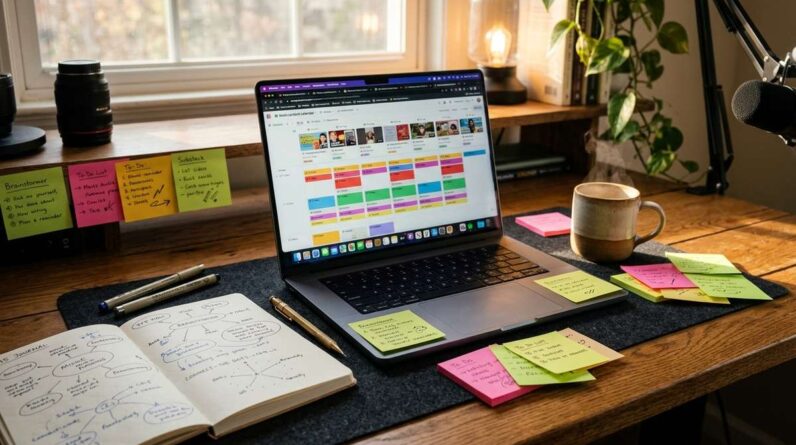
Creating high quality content consistently is one of the most exhausting demands facing modern digital entrepreneurs, creators, and small business owners. When you spend five to ten hours researching, outlining, drafting, and polishing a comprehensive 2,000-word blog post, publishing it once and simply sharing a solitary link on social media is a massive waste of your creative energy. Most people see their blog traffic spike for forty-eight hours after publication, only to watch it vanish into the digital void. Meanwhile, the relentless pressure to feed algorithms on LinkedIn, Instagram, TikTok, YouTube Shorts, X, and Facebook leaves creators feeling drained and overwhelmed.
The solution to this hamster wheel is not creating more original ideas from scratch every single day. The solution is adopting an intentional content multiplication framework. A single, well-crafted, authoritative blog post contains an immense treasure trove of ideas, data points, frameworks, quotes, stories, and counterintuitive observations. When you know how to extract and remix these individual assets, one foundational blog post can effortlessly generate at least 20 distinct pieces of high-performing social media content.
This instructional guide walks you step by step through a proven, repeatable repurposing operating system. You will learn how to audit your core article for extractable assets, how to format those assets for specific social media platforms, how to schedule them without burning out, and how to drive engaged readers back to your primary digital real estate.
The Mindset Shift: From Content Creator to Content Remixer
Before diving into the mechanical steps, you need to recalibrate how you view your writing. Traditional content creation treats every post as a disposable, single-use event. You write an article, post it, hope people read it, and immediately start wondering what you should write tomorrow. This mindset leads straight to creative exhaustion and inconsistent publishing schedules.
Content remixing, by contrast, treats your long-form blog post as a parent asset. Think of your blog post as a full-length music album. Musicians do not release an entire album and expect listeners to consume every track in one sitting without promotion. They release lead singles, acoustic versions, music videos, behind-the-scenes clips, and radio edits. Every individual spin-off asset serves as an entry point into the broader body of work.
Your blog post functions the exact same way. Some people in your audience prefer bite-sized visual slides on LinkedIn. Others consume fast, punchy insights on X. Some want quick 60-second talking-head explanations while scrolling through Instagram Reels or YouTube Shorts. By extracting the core insights from your long-form writing and adapting them to the native format of each platform, you honor your audience preferences while extracting maximum return on your creative investment.
Phase 1: Deconstructing Your Long-Form Asset
To generate 20 unique pieces of social media content from a single blog post, you first need to break down the article into modular building blocks. Open your completed blog post and highlight the following six structural elements:
- The Core Thesis and Big Hook: What is the single most important message or counterintuitive argument of the article? This becomes your primary hook.
- Step-by-Step Tactical Frameworks: What specific process, workflow, or formula did you outline? Every distinct step can stand on its own as an educational tip.
- Contrarian Insights and Hot Takes: What popular myth did you bust? What conventional industry wisdom did you challenge? Strong opinions naturally generate engagement and debate.
- Data Points, Statistics, and Case Studies: What factual evidence or real-world numbers did you include to support your points? Data-driven snippets provide instant authority.
- Memorable Quotes and One-Liners: What concise, punchy sentences capture big truths in ten words or fewer? These make ideal text graphics and quote cards.
- Common Mistakes and Pitfalls: What errors did you warn your readers against making? Warning-style posts consistently outperform general advice because people naturally want to avoid costly missteps.
When you deliberately scan your post through this analytical lens, you will quickly discover that you do not have a content deficit. You have a distribution surplus waiting to be organized and deployed.
The 20-Piece Multiplication Blueprint
Here is the exact breakdown of the 20 distinct social media assets you can build from your single blog post:
Assets 1 to 4: The Visual and Carousel Package
- The Comprehensive LinkedIn Carousel: Convert the main step-by-step framework of your article into a 7 to 10 slide PDF carousel. Slide one features your bold hook question, slides two through six outline the core steps with concise bullet points, and the final slides summarize the framework with a clear call to action to read the full post.
- The Instagram Micro-Guide Carousel: Take the same carousel content and adapt it into a square or vertical image carousel for Instagram. Focus heavily on clean typography, contrasting background colors, and readable visual hierarchy.
- The Single-Graphic Framework Diagram: Condense the big-picture model or process into a single visual summary, flowchart, or comparison matrix. Visual learners love saving and bookmarking single-image cheat sheets.
- The Bold Quote Graphic: Take the most provocative or inspiring one-liner from your article, place it in large, clean typography against a branded background, and use it as a pattern-interrupting image post.
Assets 5 to 9: The Short-Form Video Suite
- The 60-Second Core Problem Breakdown: Stand in front of your smartphone camera and deliver a direct, punchy breakdown of the primary problem your blog post solves. Speak directly to the pain point in the first three seconds, explain why standard solutions fail, and provide one quick win.
- The Step-by-Step How-To Tutorial: Record a quick tutorial demonstrating step one and step two of your framework. Keep the pacing brisk, add automated captions, and tell viewers where they can find the remaining steps.
- The Myth-Buster Video: Address the biggest misconception you tackled in your article. Open with a statement like “Most people think X is the right way to achieve Y, but here is why that is actually costing you time and money.”
- The Quick-Tip Green Screen Reaction: Use the green screen feature on Instagram Reels or TikTok with your blog post or a relevant headline in the background. Walk viewers through a specific key takeaway.
- The Behind-the-Scenes Story: Share the personal story, client breakthrough, or painful mistake that originally inspired you to write the blog post. Personal vulnerability combined with instructional utility builds deep trust.
Assets 10 to 14: The Text-First Thought Leadership Suite
- The Deep-Dive LinkedIn Article Post: Write a 300 to 400 word text post on LinkedIn summarizing the central argument of your post. Use short, readable paragraphs, clean line breaks, and open with a compelling narrative hook.
- The Detailed X or Threads Breakdown: Turn the core sections of your blog post into an 8 to 10 post thread. Post one is the irresistible hook, posts two through eight deliver specific tactical value, and the final post links to your original article.
- The Contrarian Opinion Post: Extract your most controversial statement from the post and write a short, thought-provoking commentary. Ask your network: “Do you agree with this approach, or do you prefer the traditional method?” This sparks lively comment section discussions.
- The “Mistakes to Avoid” List: Format the errors you identified in your article into a bulleted checklist of common mistakes. Frame it as “Stop doing these 3 things if you want better results.”
- The Personal Lesson Learned Post: Write a reflective text post focusing on the time, money, or headache you saved once you implemented the solution outlined in your article.
Assets 15 to 17: Interactive and Community Engagement Assets
- The Poll and Discussion Starter: Create an audience poll on LinkedIn, X, or YouTube Community tabs asking a targeted question related to your article’s core theme. In the post text, explain why the question matters, and follow up in the comments with insights from your blog post.
- The Fill-in-the-Blank or Open Question Prompt: Post a single provocative question directly derived from your article, such as “What is the single biggest bottleneck holding back your content production right now?” Reply to every comment with personalized advice based on your article.
- The Direct Action Checklist: Distill the article into a printable or screenshot-friendly 5-item checklist that readers can immediately implement today.
Assets 18 to 20: The Curated and Conversational Assets
- The Weekly Newsletter Teaser: Feature the core insight of your blog post as the opening essay of your weekly email newsletter, framing the full blog post as the extended case study for readers who want to go deeper.
- The Q&A Video or Audio Response: Pretend a reader asked you the central question of your blog post, and record a casual, conversational audio or video response answering them in under two minutes.
- The “Best Quotes and Data Highlights” Summary: Publish a curated list post highlighting three surprising statistics or memorable quotes featured in your research, providing context on why they matter to your industry.
Practical Formatting Rules for Cross-Platform Success
Repurposing content does not mean copy-pasting the exact same block of text across five different platforms simultaneously. Every social media network has its own cultural norms, algorithmic preferences, and user expectations.
On LinkedIn, professional formatting rules supreme. Keep your sentences crisp, leave blank lines between paragraphs to make reading on mobile devices effortless, and avoid excessive hashtags. Three to five relevant hashtags at the end of a LinkedIn post are plenty.
On Instagram, visual clarity and aesthetic cohesion dominate. Your captions can be delightfully detailed, but your visuals must stop thumbs in their tracks. Ensure fonts are easily legible on mobile screens without zooming.
On X and Threads, speed, rhythm, and punchiness win. Eliminate filler words, get straight to the point in the opening line, and use numbers and lists to structure complex ideas clearly.
On short-form video platforms like TikTok and YouTube Shorts, the first three seconds determine whether your video lives or dies. Do not introduce yourself, do not clear your throat, and do not say “Hey guys, welcome back.” Jump straight into the action with a bold visual or provocative statement.
A Sustainable 5-Day Repurposing Schedule
Trying to create and post all 20 assets in a single day is a recipe for frustration. Instead, establish an organized, batched production schedule spread across your calendar:
- Day 1: Asset Extraction and Scripting. Spend 45 minutes reviewing your published blog post. Highlight your quotes, data points, and key steps. Draft the copy for your text posts, threads, and carousel slides into a central spreadsheet or document.
- Day 2: Visual Asset Batching. Open your favorite design tool and build your carousel slides, framework diagrams, and quote graphics in a single 60-minute session using pre-made templates.
- Day 3: Video Recording. Set up your phone, lighting, and microphone. Record your three to four short video clips back-to-back while the topic is completely fresh in your mind. Batching video recording saves immense time on setup and wardrobe changes.
- Day 4: Editing and Captions. Run your video clips through an automated captioning tool, trim dead air, and review your visual assets for typos and formatting consistency.
- Day 5: Scheduling and Distribution. Load your finished assets into your social media management tool. Spread the 20 pieces across three to four weeks, alternating between video, text, and carousel formats so your feed remains varied and engaging.
Measuring Your Impact and Iterating
As your repurposed assets roll out across your channels, keep a close eye on your performance metrics. Look beyond vanity metrics like surface-level likes. Focus on high-intent actions such as saves, bookmarks, shares, comment depth, and link clicks to your original blog post.
When a specific angle or format performs exceptionally well, take note. If an Instagram carousel about common mistakes gets double your usual saves, that is a clear market signal to create a dedicated follow-up piece expanding on that exact sub-topic.
By treating your blog as an idea engine rather than a one-off publishing chore, you protect your creative energy, build an omnipresent brand presence across multiple platforms, and consistently drive qualified readers back to your primary website. Start with your best-performing existing blog post this week, run it through this 20-piece framework, and experience how effortless social media consistency can truly be.