Turn more clicks into loyal customers with a marketing funnel that works. If you’re tired of wasted ad spend and low conversion rates, you’re not alone. A well-built funnel helps you guide people step by step, moving them from curious visitor to paying customer—without guesswork or confusion.
This guide breaks down each stage of the funnel in simple steps. You’ll see how every piece fits together, and you’ll get real strategies you can use right away. Whether you’re starting from scratch or fixing a funnel that’s not working, you’ll find tips here to increase conversions and grow your business with confidence.
Understanding the Modern Marketing Funnel
To build a marketing funnel that actually converts, you need to understand how today’s buyers move from “just looking” to “take my money.” Gone are the days of the simple sales pitch. Shoppers want proof, options, and confidence before clicking buy. When you know where your customer is in their journey, your message lands better and your offers come at the right time. Let’s break down what a marketing funnel really is and why so many funnels don’t bring the results you want.
What Is a Marketing Funnel?
A marketing funnel is the step-by-step journey people take from first learning about your business to becoming a customer. Think of it like a map. At the top, you have wide open roads plenty of people passing by, but only a few will keep driving to the finish line. Each stage asks for more commitment, and your goal is to guide the right buyers through without losing them to confusion or disinterest.
Here’s a quick breakdown of the main funnel stages you’ll see nearly everywhere:
- Awareness: Potential customers discover your brand. This could be from an Instagram ad, a blog post, or a friend’s recommendation. The goal is simple: get noticed and make an impression.
- Consideration: Now people know you exist. They start sizing you up, maybe reading reviews, browsing features, or grabbing a freebie. You’re building trust and showing you can solve their problem.
- Conversion: This is where people take action. That might mean buying a product, booking a call, or joining your email list. Everything before this has set up the yes.
Modern marketing funnels aren’t always straight lines. Some buyers skip steps. Others loop back, binge content, or drop off before converting. But keeping these key stages clear helps you speak to people where they are, not where you wish they were.
Why Funnels Fail: Common Pitfalls
Even the best-looking funnels can fall flat if you miss the basics. Many business owners make the same simple mistakes without realizing. Here are some common reasons your funnel might not be converting:
- Poor Targeting: If you try to talk to everyone, you end up reaching no one well. Generic messages miss the mark and fail to connect. You have to know your audience and speak directly to their needs.
- Weak or Irrelevant Offers: If your freebie or entry point doesn’t match what your ideal customer cares about, you’ll lose them quickly. Every step should feel like a natural next move, not a hard sell.
- No Nurture Sequence: People rarely buy on the first touch. If you aren’t following up or providing value between stages, people forget you or lose interest. Consistent, valuable follow-up is key.
- Leaky Funnel Points: Sometimes, people drop out at certain stages and you don’t know why. Maybe your landing page is confusing, your emails land in spam, or your checkout process feels risky. You want to regularly check every part of your funnel for drop-offs.
- Overcomplicated Steps: Too many clicks, forms, or choices slow people down. If your funnel feels like a maze, people quit before the end.
A funnel that converts feels smooth and helpful from start to finish. When you plug the leaks, speak clearly to your perfect audience, and make the next step easy, you get more buyers and fewer dropouts.
Mapping Out Your Ideal Customer Journey
A marketing funnel is only as strong as its understanding of the audience it serves. To smooth out the path from first click to loyal customer, you need to map every stop your ideal buyer takes along the way. This means getting clear about who they are, what drives them, and how they interact with your brand from start to finish. When you connect the dots, you can meet their needs at every point, turn confusion into clarity, and give them reasons to stick around.
Defining Your Target Audience
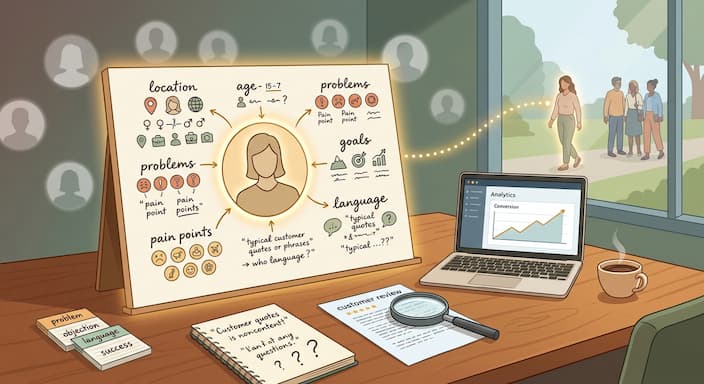
Before you build anything, get laser-focused on who your ideal customer is. Start by creating buyer personas—these are profiles that capture the type of person who will most likely buy from you. Think of them as a written snapshot of your biggest fans.
Use both data and real conversation to build these personas. Pull whatever you already know from tools such as:
- Email analytics to see which topics get the most clicks
- Website behavior stats showing where visitors spend their time
- Social media comments and messages to spot common questions
Add more detail by answering a few key points for each persona:
- Demographics: Age, location, job, income bracket
- Pain Points: What’s bugging them? What keeps them searching for answers at midnight?
- Motivators: What triggers them to take action? Is it fear of missing out, saving money, or fixing a big problem?
- Buying Behavior: Do they shop online late at night, or compare lots of options before choosing?
- Objections: What might make them say “no” or hesitate?
The table below sums up some data sources you can use to create strong buyer personas:
| Data Source | What It Reveals |
|---|---|
| Google Analytics | Visitor demographics, most viewed pages |
| Facebook Insights | Follower age, gender, interests |
| Email Stats | Best-performing topics, open times |
| Customer Interviews | Words your audience actually uses |
| Surveys & Polls | Direct pain points and motivators |
By combining data with real talk, you avoid wild guesses and instead build a profile as close to the real customer as possible.
Crafting the Customer Journey Map
Once you know who you’re targeting, it’s time to chart their path. A customer journey map is a simple visual or written plan that outlines every step a potential buyer takes on the way to becoming a customer—and what happens after. This helps you spot where they might hit roadblocks or slip away, so you can plug the gaps.
Break the journey down into clear touchpoints, starting from the very first moment of awareness through to the decision to buy and beyond. Here’s a basic outline:
- Awareness
The potential customer spots your product or service for the first time. Maybe they see an ad or a shared post. - Interest
They look deeper, maybe browsing your site or signing up for a newsletter. - Consideration
They compare options, check reviews, or download a free guide. - Conversion
They make a purchase, book a call, or take your main desired action. - Loyalty & Advocacy
After buying, they interact with support or share your brand with others.
At every stage, ask two things:
- What is my customer thinking or feeling right now?
- What do they need next to move forward?
Common customer journey touchpoints include:
- Paid or organic social media posts
- Webinars or live demos
- Landing pages or product pages
- Email sequences and support responses
- Order confirmations and follow-up emails
By making each step as helpful and easy as possible, you keep buyers moving forward and reduce the chance of losing them to doubt or distraction. Mapping these moments lets you spot missed opportunities, fill gaps, and steer more customers all the way to the finish line—and even after the sale.
Building Each Stage of a High-Converting Funnel
Every stage of your funnel has its own job. To get consistent conversions, you need different strategies at each step. You’ll move people from just finding you, to trusting you enough to buy, all without pushing too hard or leaving them confused. Let’s break down the practical steps—what you should do and how to do it—at each stage of a high-converting funnel.
Attract: Generating Awareness and Interest
At the top, your focus is simple: capture attention and spark curiosity in the right people. This is where you throw out the first invitation, like waving down potential customers as they drive by.
Effective ways to attract the right audience include:
- Content Marketing: Blog posts, videos, and how-to guides pull in people searching for answers. Use topics that match what your ideal customer wants to know. Solve small problems, share quick wins, or give sneak peeks into your bigger solutions.
- SEO: Optimize your website pages and blog posts for search terms your audience actually uses. Simple tweaks—like clear headlines, short paragraphs, and natural keywords—help more people find you on Google.
- Social Media: Share helpful tips, stories, and behind-the-scenes content on the platforms your audience loves. Use eye-catching visuals and keep your message clear and short. Consistency matters more than perfection.
- Paid Ads: Targeted ads on Google, Facebook, Instagram, or YouTube can put you in front of new eyes fast. Focus on headlines and visuals that stand out. Link your ads to helpful, relevant content so people feel they’re getting value from the start.
Quick reminders for top-of-funnel tactics:
- Speak directly to your ideal buyer.
- Use clear, bold calls to action like “See How” or “Get the Guide”.
- Make it easy to click or learn more—no complicated steps.
Engage: Nurturing Prospects with Value
Middle-of-the-funnel prospects want reasons to trust you. They’ve seen who you are and now weigh if you’re credible and able to solve their problem. Here, your job is to build trust and show you understand what they need.
Here’s how you can nurture relationships so people move closer to buying:
- Lead Magnets: Offer something helpful in exchange for a name and email. Good lead magnets include cheat sheets, checklists, short video lessons, or templates that solve one small but real need. The easier it is to use, the better.
- Email Sequences: Send a series of friendly, useful emails that deliver more value over time. Share stories, tips, and simple wins. Introduce yourself, explain what you do, and answer common questions. Keep each email focused and engaging.
- Webinars and Workshops: Live or recorded events let people see your expertise and ask questions in real time. Focus on teaching, not selling, and give clear takeaways they can use right away.
- Retargeting: Use Facebook Pixel or Google Ads to remind people about you after they visit your site or signup page. Retargeting keeps your brand fresh in their mind with gentle reminders, testimonials, or special offers.
Tips for nurturing well:
- Stay helpful and never spammy.
- Use simple language and solve real challenges your audience faces.
- Space out emails and retargeting ads so people don’t feel overwhelmed.
Convert: Sealing the Deal with Compelling Offers
At the bottom of the funnel, prospects are close to buying. Your goal is to clear any last doubts, add urgency, and make it smooth to say yes. Think of this like the checkout counter—if you’ve done a good job so far, now you just need to make the final step easy and safe.
Strong conversion tools include:
- High-Converting Sales Pages: Focus every section on results and benefits, not just features. Use clear headlines, simple layouts, and strong calls to action. Add quick FAQs to answer last-minute questions.
- Testimonials and Social Proof: Show real customers who got real results. Include direct quotes, photos if possible, and even short video clips. People trust people more than brands.
- Limited-Time Offers: Add urgency with short-term discounts, bonuses, or fast-action perks. Use countdown timers or highlight limited spots to nudge hesitant buyers.
- Frictionless Checkout: Keep the process short and clear. Use as few steps and fields as you can. Accept multiple payment methods, show trust badges, and make sure your checkout works on mobile devices.
Bottom-of-funnel checklist:
- Remove extra steps or distractions.
- Make your guarantee and refund policy clear.
- Use a compelling call to action—“Start Now” or “Claim Your Spot”.
By building each funnel stage with the right tactics and simple tools, you give prospects a clear, comfortable journey from curious stranger to happy customer.
Optimizing and Measuring Funnel Performance
You’ve mapped the journey, built each stage, and plugged the leaks. Now it’s time to make sure every part of your funnel is working as it should. Funnel optimization isn’t a one-time job. You need to track, measure, and tweak every step if you want more conversions and less wasted effort. With the right data in hand, you can see exactly where people say yes, where they drop out, and what changes will move the needle.
Key Metrics to Track
To know if your funnel is turning clicks into customers, you need to track a few key numbers. These core metrics shine a light on what’s working and what needs a fix-up.
Here’s what to look at first:
- Conversion Rate: Shows the percentage of people who take the next step, like signing up, booking a call, or making a purchase. A low rate signals a roadblock or confusing offer.
- Cost Per Acquisition (CPA): Tells you how much it costs, on average, to get one customer. Use this to keep your marketing spend in check.
- Click-Through Rate (CTR): Measures how many people click your links, ads, or buttons. A high CTR means your messaging or creative grabs attention.
- Funnel Drop-Off Points: Tracks where people leave your funnel. If lots of visitors exit after seeing your pricing page, it’s time to review your offer or layout.
For quick reference, here’s a table with the most important funnel metrics and why you need them:
| Metric | What It Shows | Why It Matters |
|---|---|---|
| Conversion Rate | % who move to the next step | Tells you if your funnel is clear |
| CPA | Average cost for a new customer | Keeps spending efficient |
| CTR | % who click a link or call-to-action | Tests headline and creative strength |
| Drop-Off Points | Where people leave the funnel | Pinpoints where you’re losing leads |
Track these using Google Analytics, your ad dashboards, and email tools. Watch for sudden drops or dramatic change. When numbers shift, you’ve found a spot to review.
A/B Testing and Continuous Improvement
Even a great funnel can get better. The best way? Run simple, smart A/B tests. With these tests, you try two different versions of a page, ad, or email to see which one wins. You change just one thing at a time—maybe a headline, button color, or offer—then send traffic to both versions and wait for clear data.
Follow this easy process to start optimizing:
- Pick a Single Element to Test
This could be a subject line, call to action, hero photo, or even the checkout layout. - Split Your Traffic
Send half of your visitors to each version. Most email tools, ad platforms, and website builders have this feature built in. - Measure the Results
Wait until you get enough clicks or sales to see a clear winner. Don’t stop the test too soon—results should be obvious, not just a tiny uptick. - Implement the Winner
Use the version that performs best and keep testing new ideas.
- Tip: Start with high-traffic pages or steps with big drop-offs. Small tweaks here can make a big difference in your results.
Keep your experiments simple and focused. Test only one change at a time to get clear answers. And remember, improvement never ends. Markets shift, audiences change, and what worked last month might underperform this month.
Continuous improvement is easier when you revisit metrics each week. Use feedback and data, not gut instinct, to guide your changes. Small tweaks, consistently made, keep your funnel running smooth and your conversions climbing.
Real-World Funnel Examples and Success Stories
To really see how funnels work, it’s helpful to look at a few real businesses that turned clicks into customers. These examples show how smart funnel planning pays off and what details helped each funnel succeed. Whether the business sells software, gym memberships, or courses, each story gives quick, practical ideas you can use to get better results.
SaaS Funnel: Free Trial to Paid Power User
Many software companies rely on a simple funnel: offer value upfront, then convert interested users into paying fans. One standout example is a project management tool that made the free trial the heart of its funnel.
- Step 1: Content and Ads for Awareness
The company created short video tutorials, SEO-driven blog posts, and helpful guides on productivity. Paid ads led people straight to a free trial signup. - Step 2: Seamless Sign Up
The sign-up form was short—just an email and password. No payment required. - Step 3: Nurture with Guided Emails
Once inside, a series of onboarding emails (with checklists and tips) helped users get quick wins. Each small success built trust and showed real results. - Step 4: Timed Offer
As the trial wrapped up, users saw a clear, limited-time discount for upgrading, along with testimonials from other customers.
Key takeaway:
By focusing on the first experience, removing friction at sign up, and supporting new users, this funnel saw over 30% of trial users become paying customers. Making the start easy and following up with value makes all the difference.
Fitness Studio Funnel: Local Leads to Loyal Members
A regional gym boosted signups with a funnel designed for new visitors who felt nervous about joining.
- Step 1: Facebook Ads Targeting Local Residents
The studio ran simple ads featuring current members and real results. The message was about feeling better, not competing. - Step 2: Free 7-Day Pass Landing Page
The ad led to a focused page with only one choice: claim a 7-day free pass. The form just asked for a first name, email, and phone number. - Step 3: Follow-Up Call and Personalized Welcome
Staff called each lead to set up a tour. Emails sent before the visit gave success stories from real members and explained what to expect. - Step 4: Founder’s Welcome and Member-Only Discount
In-person, the owner greeted new guests and offered a special “new member” discount if they signed up before the pass ended.
Key takeaway:
Personal contact and reducing fear of the unknown helped this studio turn 40% of visitors into paying members. Warm follow-up and easy steps beat big promises every time.
Online Course Funnel: Webinar to Enrollment
An online marketing coach used a short funnel to sell courses by swapping a dull pitch for a value-first webinar.
- Step 1: Instagram Stories and Ads
The coach shared quick tips and stories with swipe-up links to a free live training session. - Step 2: High-Value Webinar
The webinar answered common pain points, shared a real roadmap, and offered live Q&A. At the end, a time-limited offer appeared for course enrollment with an exclusive bonus. - Step 3: Deadline-Focused Follow-Up Emails
After the webinar, automated emails highlighted key takeaways, answered new questions, shared student wins, and reminded about the deadline.
Key takeaway:
Leading with real teaching and solving problems in the session made the offer feel like a natural next step. Nearly 20% of all live attendees enrolled—proof people buy when they trust and see immediate value.
Comparing Funnel Success at a Glance
Here’s a quick reference table to show the three strategies side by side:
| Industry | Funnel Start | Conversion Trigger | Standout Feature |
|---|---|---|---|
| SaaS | Free Trial | Onboarding + Timed Offer | Easy signup, nurturing emails |
| Fitness Studio | Free 7-Day Pass | Personalized Follow-Up | Local ads, staff call, in-person |
| Online Courses | Free Webinar | Bonus Deadline | Real stories, Q&A, urgency |
The common thread in each example? Start with value, keep steps simple, and follow up in a personal way. These funnels didn’t just get more leads—they built long-term trust and built up real, loyal customers.
Conclusion
A strong marketing funnel brings clarity to your sales process, helps you connect with real customers, and gives your business the structure it needs to grow predictably. By knowing your audience, guiding them stage by stage, and always improving based on real numbers, you build a system that turns clicks into lasting customers.
Put these steps into action and see how even small changes can increase your results. If you’re ready for the next level, check out our other guides on email sequences, writing sales pages, or running ads that work.
Thanks for reading. Share your thoughts or your own funnel steps in the comments. Your feedback helps everyone get better.